We’ve all been there… you just received the good news that you got the job, but you just need to pass a drug test first. Or your employer just announced that you’ve been selected for a random workplace drug test. Well don’t worry, you’ve come to the right place. This guide on how to pass a drug test was designed to help you make the right choice for your detox process and pass your test in style.
Detoxing to Pass a Drug Test for Weed
You can use natural methods to clean out your system for a drug test in about 30 days. If you need to learn how to pass a drug test today, tomorrow, next few days or next few weeks for an upcoming job we have outlined your options below. If you are in a rush to find out how to pass a pre-employment drug test, you can skip the guide and go straight to our recommended detox products to pass a drug test.
Warning
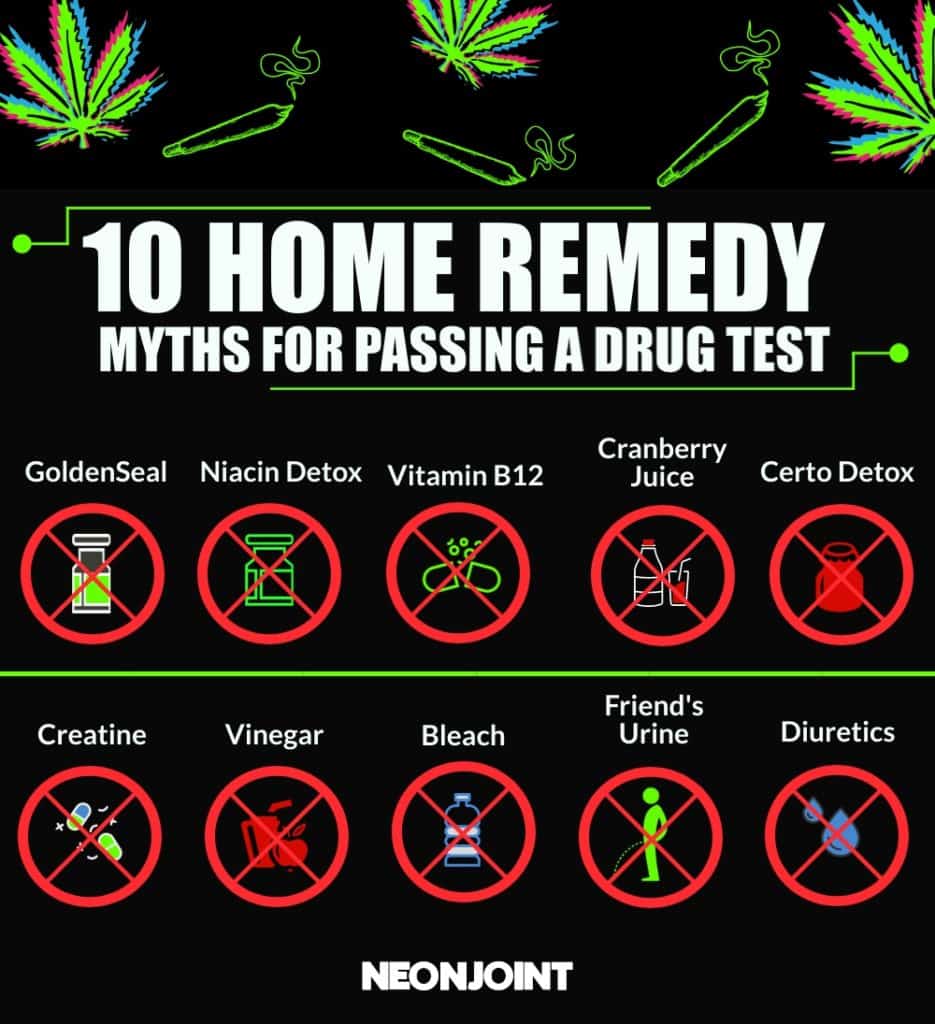
Due to popular demand we first answer the question of home remedies and myth hacks NOT recommended for passing a drug test. Here is a list of ten ways NOT to pass a drug test that the internet won’t let die.
These home remedies do not work to rid your body of marijuana below the levels detected on drug tests if having any effect at all. We have a detailed question and answer about each of these myths and why they don’t work below.
The Types of Drug Testing
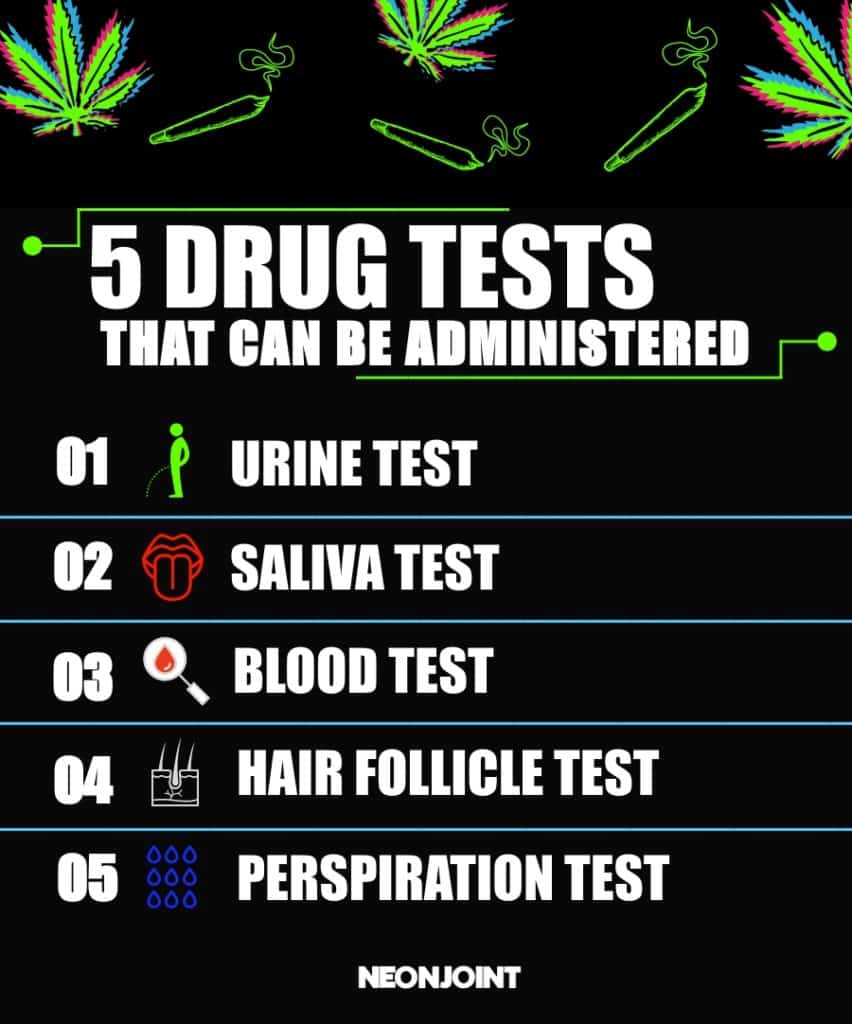
Drug tests can be administered directly by an employer or most likely at a drug test lab. Most drug tests are Urine. Hair, Mouth Swab and Nail Cuticle drug tests now being used in certain cases.
Urine Drug Test
A urine drug test the most common form of drug test. The urinalysis test detects a wide range of substances including prescription drugs, cocaine, marijuana, & MDMA (Ecstasy)…among others. A urine drug test is the cheapest and most effective option for employers when screening potential job candidates.
While most will tell you that the easiest way to pass this test is to use fake or doctored urine, what people don’t realize is that this method is highly illegal. Using fake urine could land you with hefty fines or even jail time…and you definitely will not be getting the job. Detoxing and abstaining from substances is the only legal way to help improve your chances of passing your drug test.
Hair Follicle Drug Test
Another common method, these tests are performed in front of a lab professional. The professional will remove a few strands of hair for testing from your head. If you plan on shaving your head to try and skip out, think again, they will simply just take hairs from your forearm, or wherever applicable.
A sample of hair can be test for toxins and substances up to 90 days previously. Because of this, it is recommended starting the abstaining/detoxification process as early as possible. If you have smoked cannabis or been around smoke, the thc will be absorbed by your hair and enter the bloodstream.
Mouth Swab Drug Test
A mouth swab drug test is becoming common among law enforcement agencies because they are cost-effective and easy to administer. With cannabis being legalized, this method may become more common for testing if drivers are under the influence on the spot.
A intimidating factor is that toxins and other substances can be detected minutes after use with a mouth swab test. While this is great for determining if a person just used cannabis, it in no way determines habitual or long term usage, only on the spot.
Fingernail Drug Test
A fingernail drug test is very similar to a hair follicle test. Both hair and fingernails are made of the same material, keratin. Substances can pass from the blood vessels below the nail into the keratin fibers where they become trapped. The fingernail drug test method is quickly rising in popularity from labs as it is less invasive over cutting hair. Substances can be identified in fingernails two to four weeks after use.
5-Panel Drug Test Overview
How Does a 5-Panel Drug Test Work?
A 5-panel drug test is one of the most popular forms of drug tests exercised by government agencies as well as individual employers. Ultimately, it is a urine test that screens for 5 of the most common drugs in your system. The drug test includes 5 individual strips, or panels, that represent each substance being tested for.
What Shows Up on a 5-Panel Drug Test?
This type of drug test can detect 5 of the most commonly abused drugs, comprising of opiates, PCP, cocaine, amphetamines, and THC/marijuana. Some of the primary opiates the test is looking for include codeine, morphine, and heroin. Also, administrators of the drug test can add other substances like alcohol, nicotine, ecstasy, and oxycodone to the drug test. Although adding other substances is possible, standard test only screen for 5 of the most frequently abused drugs, hence the name ‘5-panel drug test.’
How Long Do 5-Panel Drug Test Results Take?
5-panel drug test results are received promptly and one can expect to collect their findings in a few days. On average, negative results concluded from the test are reported within 24 hours. That said, additional testing is implemented for non-negative results extending the analysis of the drug test for up to one week.
How to Pass a Drug Test on Short Notice
Often you don’t have a lot of time when it comes to passing a drug test. We’ll start by highlighting the best advice for how to pass a drug test on short notice with a quick deadline.
How to Pass a Drug Test in a Week
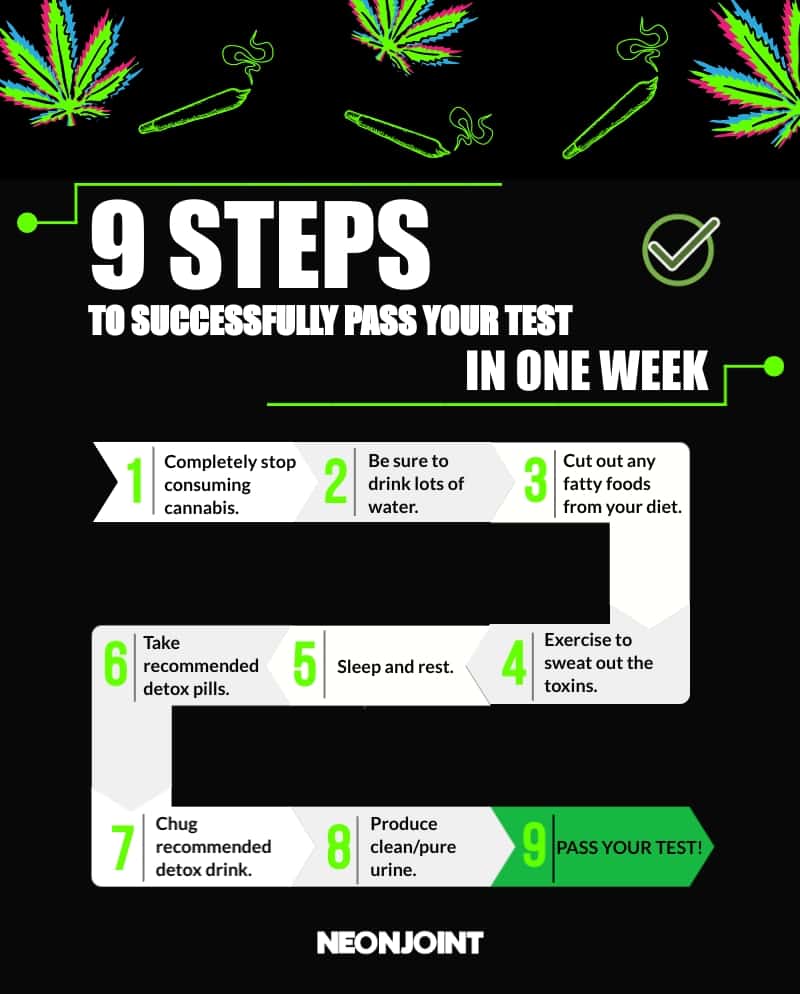
Other than naturally cleansing over a period of 4 weeks, the best way to detox for a drug test is with a permanent detoxification program. Using permanent cleansing pills, you can clean out your system of weed in 5-10 days depending on your levels of THC. When you’re done with the detox you can test yourself for THC by the same standards as a lab (we cover standards below) with a quality home testing kit and walk into any drug test with no doubt you are 100% clean.
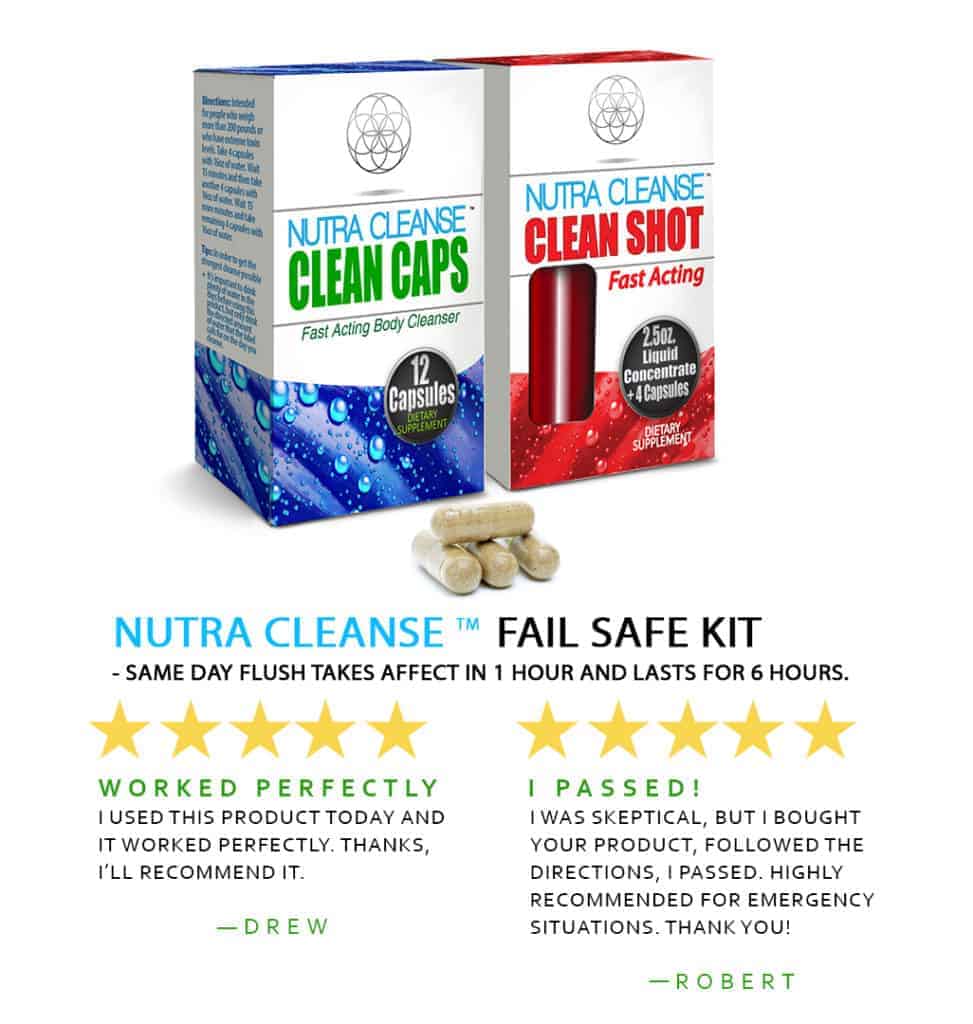
If you have a drug test coming up fast. Get what is called a Same Day Cleanser that can temporarily clean out your urine for a drug screen. There are several detox products that we know do work and can be overnighted that provide a 5-hour flush so you can produce a clean urine sample. This is the only proven way we know of to get weed immediately out of your system for a shortened period of time.
Sometimes you really don’t have the luxury of time when it comes to passing a drug test. You might be caught in a situation where your boss hits you with the bad news when you arrive to work in the morning. This leaves many wondering how to pass a drug test with zero warning.
This is a similar situation to beating a drug test within 24 hours. Here it’s best to be prepared and have your detox drink ready to go for these rare circumstances. Our recommendation is to have an extra same-day cleanser on hand, either in your desk drawer at work or in your bag that you bring with you.
How long does Cannabis (THC) Stay in your system?
Marijuana Detection Time Based on Usage
Usage at 1 time only
5-8 days
Usage at 2-4 times per month
11-18 days
Usage at 2-4 times per week
23-35 days
Usage at 5-6 times per week
33-48 days
Daily Usage
49-63 days
As you can see, individual detection times for cannabis are extremely diverse and unpredictable.
NOTE: Detection times vary depending on many factors, including drug potency, tolerance, relative health of the test-taker, fluid intake at time of the drug test, method and frequency of marijuana use, body type, metabolism, exercise frequency, and many others. These are general guidelines only.
Your Personal Detox Calculator
Let us help you pick the best detox kit depending on your deadline. Based on the following information, we’ll send you straight to the recommended approach to help you pass your test.
And don’t forget to check your email for a special surprise from Neonjoint.
[caldera_form id=”CF5cef15bec0874″]
A Note on Detection Times
In addition to being able to detect the drugs themselves, drug screenings are designed to detect metabolites — the byproducts of a substance left behind after it has been metabolized by your kidneys and liver. Think of these drug components as the bodily residue left behind. To determine whether you will pass a drug test, it is important to understand how long does weed stay in your system.
The Half-life of THC
The half-life of tetrahydracannabinol (THC) concentration ranges between 0.8 to 9.8 days. There is too much human variation to even approximate how long THC will be detected in the urine of an individual. Infrequent users with a fast metabolism will have the shortest detection time. Obviously, frequent users with a slow metabolism will have long detection times.
The only way to reasonably estimate your personal detection time is to consider the highest and lowest extremes (3-30 days) and use your best judgment to form an educated guess. The table below can function as a good guide for you.
How Much THC Does a Drug Test Detect?
For nearly all drug tests (including instant tests and urine drug testing) conducted in the United States and all NIDA-certified labs, 50 nanograms of THC metabolites per milliliter (ng/mL) defines a “presumptive positive.” Years ago this value was originally 20 ng/mL, but too many false positives resulted. The level was raised to 100 ng/mL to reduce false positives. As of January 1995, the threshold was lowered back down to 50 ng/mL because drinking excessive water could easily bring a positive below 100 ng. While rare, it is possible that employers may use a lower cutoff. The following table lists cutoffs for many common drugs.
Can Passive or Second-Hand Smoke come up on a drug test?
Second-hand or “passive marijuana smoke” in a car or similarly confined quarters for extended periods of time can cause you to fail the next day. In these extreme circumstances, it is possible that second-hand marijuana smoke will raise someone to the 50 ng/mL level. A recent case study conducted by the Army placed volunteers in a room pumped full of smoke for an hour, five times daily. Subjects routinely began testing positive after the second day. Typically, non-smokers are safe in a ventilated area as long as they are not subjected to a hair drug test.
How to Naturally Decrease Your Drug Detection Times.
Unfortunately, increasing your metabolism is the most effective way to decrease the time period that drugs are detected in your system. Physical activity can increase your metabolic rate as much as two thousand percent, and absolutely nothing beats proper physical training. A high-calorie diet is the next best way to increase metabolism. Consuming mass quantities of high-calorie food will increase your metabolic rate up to 10%. Be advised, however, that a mal-nutritious diet could lower your metabolism up to 10%. Your best bet is to exercise regularly and moderate your diet.
Home Remedies for How to Pass a Drug Test: Myths Explained
In our encounters with concerned test-takers, we have noticed an obvious pattern when people approach us. The same handful of questions is asked time and time again. To proactively assist our readers, we wanted to share with you the information we’ve accumulated.
Does Cranberry Juice Help Pass a Drug Test?
NO. If you’re planning to rely on cranberry juice to help you in your quest for how to pass a drug test, you’re putting yourself at a high level of unnecessary risk. Cranberry juice is a natural diuretic and is packed full of antioxidants. It’s an excellent and healthy way to constantly cleanse your body – especially your urinary system. However, THC is stored in your fat cells. If you smoke marijuana on a regular basis – say, a few times per week – just using cranberry juice to cleanse your system will likely take at least a month.
Additionally, it’s important to remember that a large amount of cranberry juice in your system could modify the pH of your urine. If the test administrator has even the slightest notion that your urine appears modified you will have to perform a repeat specimen, this time in an observed environment.
Does Apply Cider Vinegar Clean Your System for a Drug Test?
NO. Although this detoxing method was once a common myth among cannabis users, studies have proven that drinking vinegar will adversely affect the urine samples, as well as your physical health. Again, drinking or adding vinegar to your urine samples will NOT clean your system for a drug test.
Mixing small amounts of vinegar with water is recognized as a popular method to help cleanse your body naturally. However, it is NOT recommended to use this same method in efforts to flush marijuana toxins out of your system.
Furthermore, drinking vinegar does not facilitate the marijuana detox process; it merely lowers the pH levels of your urine sample. All employers and supervisors administering a drug test with such evidence of tampering will be called to enforce another drug test under strict supervision.
Additionally, drinking enough vinegar to have any effect as a masking agent is sure to cause violent diarrhea.
Does GoldenSeal Help in Passing a Drug Test?
NO. Using commercial screens such as GoldenSeal does little more than dilute your sample. Any of these products will surely flag the urine sample at the lab. In some cases – such as the United States Department of Transportation regulations – a sample determined to be tampered with is automatically reported as a positive drug test. Employees of the DOT are then immediately removed from their positions. If this information is not enough to steer you clear of relying on GoldenSeal, consider that the marijuana advocate group NORML has reported that GoldenSeal is now being tested for in most screenings.
Will Baking Soda Pass a Lab Drug Test?
You might be looking for ways to pass a drug test with baking soda. Baking soda, along with vinegar and eye drops, is just another common household item that many resort to as a remedy in hopes of passing a drug test. The short answer to if this works is no. Baking soda will not pass a lab drug test.
Nonetheless, ingesting any level of baking soda will affect the body, which is why some people claim baking soda as being helpful in the detoxing process. Consuming or drinking baking soda will not aid in the process of flushing out marijuana toxins. Instead, ingesting baking soda will cause you to have an upset stomach, with the possibility of vomiting and diarrhea.
Some individuals may believe that baking soda helps cannabis users pass a drug test due to the vomiting side effects. The theory is that enough toxins will be flushed out to pass successfully. It is important to note for your safety that this claim is entirely false. There are no supporting scientific records to back it up. Physical side effects that arise from ingesting baking soda, like vomiting and diarrhea, will only make your urine sample even more irregular due to the extreme dehydration your body is undergoing.
Can You Put Eye Drops in Your Pee to Pass a Drug Test?
While there are many viable methods of successfully detoxing marijuana from your system, putting eye drops in your pee is not one of them. There have been quite a few cases where individuals have added eye drops to alter their urine sample, creating a false negative. However, those instances were taken into account 20+ years ago. The new and improved types of drug testing we have today are sure to verify the eye drop method is ineffective in successfully passing a urine drug test.
Two identifiable chemicals in Visine produce false negatives for urine samples testing for THC: Benzalkonium chloride and borate. Previous lab tests have determined that Benzalkonium reduces the levels of THC in the urine sample by nearly two thirds. That said, the analysis concluded that in order to produce a false-negative result, there must be precisely 100 milliliters of eye drops per one liter of urine. For example, with a urine sample size of 60 mL, one would have to measure out 6 mL of Visine precisely. The laboratory testing the eye drop method also discovered that any more, or any less of the exact measurement of Visine would create a failed test. Moreover, cannabis users who have added eye drops to their urine samples to a drug test, and passed successfully, are LUCKY.
Similarly to how vinegar adversely affects the levels of pH in your urine, eye drops change the temperature of your sample. If temperature levels extend outside of acceptable limits, administrators of the drug test will conclude it as being tampered with, and execute a new urine drug test.
Does Pickle Juice Clean Your System for a Drug Test?
Drinking pickle juice has been deemed a quick remedy for passing urine drug tests for years. However, it is time to officially debunk this myth and save cannabis users’ time and integrity of passing a drug test.
Pickle juice contains acetic acid, or vinegar, as its main component. Consequently, pickle juice has the same properties as vinegar does concerning their effects on the urine sample. If consumed or used as an additive, both vinegar and pickle juice will create a substantial imbalance in the urine sample’s pH levels. This will automatically conclude the drug test as being ineffective. In short, both vinegar and pickle juice do NOT help you pass a drug test.
Will Diluted Pee Pass a Drug Test?
It is smart to note one of the most practical ways to help you beat a drug test is to drink as much water as possible, and pee it out just hours before the test. There is a higher chance one will pass a urine test if the pee is diluted with water, in comparison to if the pee is concentrated.
Frankly, you want your urine sample to be as diluted as possible. It is much easier for drug tests to accurately detect metabolites (byproducts of THC) in concentrated pee than it is in diluted pee. The catch, however, is that when you go to urinate for the drug test, the color of your pee is pretty much the same color of the water. Administrators directing the drug test will classify it as being a faulty sample.
Diluting your pee as much as possible is highly advised before taking a drug test. That said, we recommend using a reliable detox product while drinking lots of water to ensure your pee is a standard color after diluting it. Most detox products contain niacin and other coloring additives to produce a natural-looking urine color.
Drug Test FAQ
What is an Employment Drug Test?
An employment drug test is a primary way in which employers determine if their employees or prospective hires are consuming drugs. With employment drug tests, employers can make the best hiring decisions possible based on the subjects’ results. Ultimately, pre-employment testing is conducted to prevent hiring individuals who illegally use drugs. It typically takes place after a conditional offer of employment has been made.
Nevertheless, employers then also have the power to fire someone for inconclusive or failed test results. Even if you are a medical marijuana patient living in a state where cannabis is medically legal, you may be at risk of potentially losing your job. Our government has ruled in favor of the employers’ power to fire individuals who have consumed cannabis. Unfortunately, that’s just the way our society operates today in light of where our country stands with cannabis legalization.
Can I Refuse a Drug Test at Work?
So, what happens if your boss approaches you with an employment drug test without prior notice or formal consent?
Well, you have two options: you can either take the drug test or not, the decision is ultimately up to you. That goes without saying, however, refusing to take the drug test will conflict with where your job opportunity or position stands with the employer.
You have the power to decline the employment drug test. Yet, the odds are you won’t get the job you’re applying for, or may even get fired from the one you currently have.
Can You Be Watched During a Drug Test for a Job?
The short answer is no. You might be worried about how to pass a drug test, but you don’t need to worry about a peeping tom in the bathroom. Employers cannot watch you take an employment drug test for a blue-collar job; most people would consider that to be an invasion of privacy. That being said, many courts have ruled it as appropriate to impose other security measures to preserve against tampering with urine samples. Some standard procedures include listening to an employee urinate as well as checking the temperature and PH levels of the urine sample.
Will I Pass a Drug Test if I Smoked 1 Week Ago?
This depends on your current toxicity levels. If you are a regular cannabis user, you might need more than one week for THC to leave your system. Use our Personal Detox Calculator, to find our recommended solution.
Is 21 Days Enough to Pass a Drug Test?
Again, this depends on your current toxicity levels. If you are a frequent cannabis user, you might need more than 21 days for THC to leave your system. Use our Personal Detox Calculator, to find our recommended solution.
How Long Does it Take for a Pre-Employment Drug Screen Results?
The time it takes for a pre-employment drug screen to provide results depends on the type of drug test administered, as well as the initial results.
If your drug test results turn out to be negative, you will be notified within 24 hours.
On the other hand, non-negative or positive results can take anywhere from a few days to one week, as positive results require further testing. Not to mention, an employer can also request to have the pre-employment test done with same-day test results.
Do Employers Tell You if You Pass a Drug Test?
Employers do not directly tell you if you pass a drug test. Prior to the test, management will require you to sign a release enabling your potential employer access to your initial results. Your test results will be sent to you via mail, while your employer is usually forwarded the results electronically. However, mail can take quite a bit longer than a digital transformation of information. Accordingly, some people resort to calling the HR department of the workplace within two to three days to find out if they’ve passed successfully.
How Do You Know if Your Urine is Diluted?
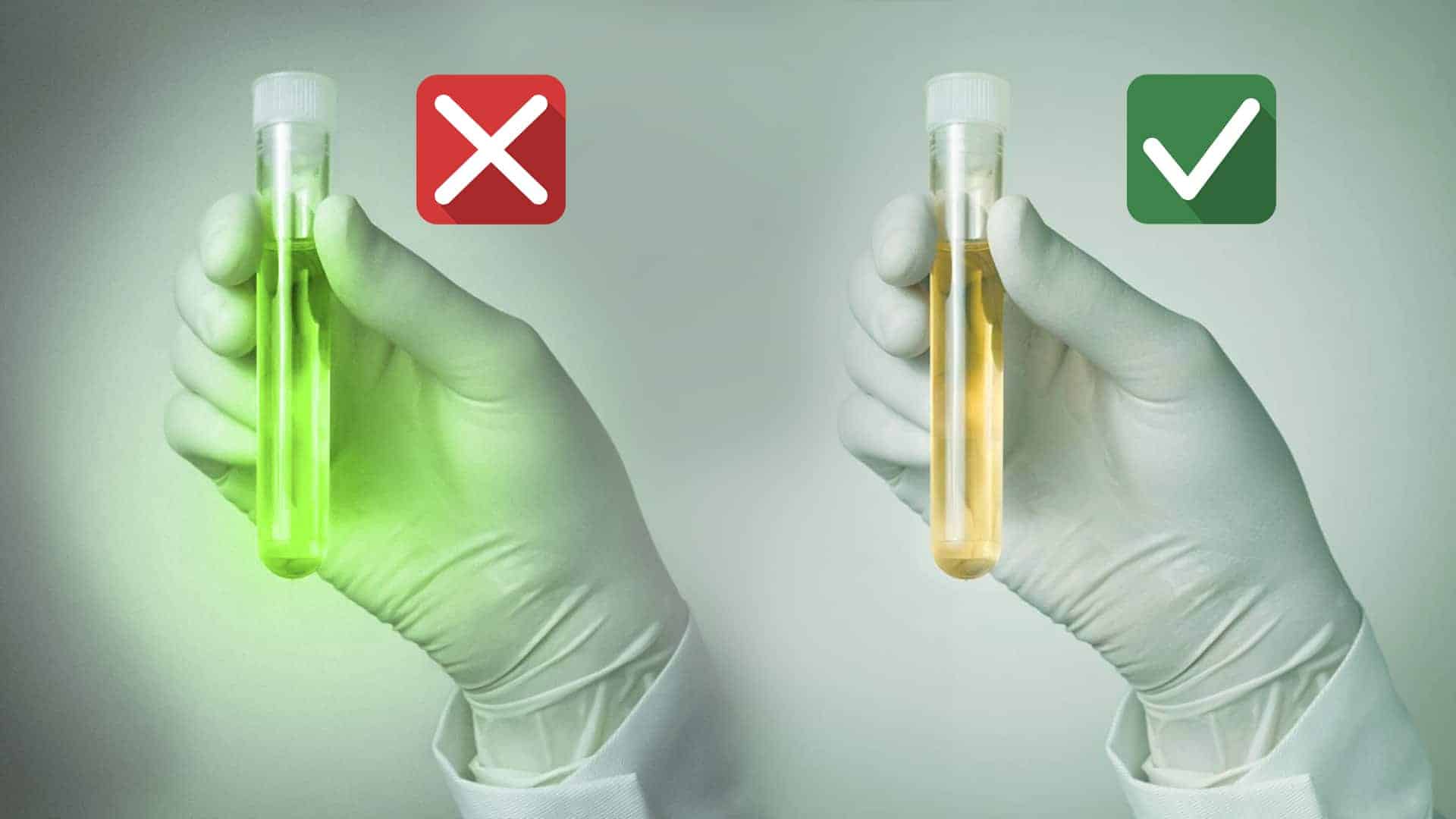
In general, fluids dilute the yellow coloring found in urine, creating a more clear liquid. Thus, the more fluids you drink, the more diluted your urine will be. If your urine looks more transparent than it usually does, you can conclude your urine is diluted.
Can Second-Hand Smoke Show Up on a Drug Test?
Second-hand or “passive marijuana smoke” in a car or similarly confined quarters for extended periods of time can cause you to fail the next day. In these extreme circumstances, it is possible that second-hand marijuana smoke will raise someone to the 50 ng/mL level. A recent case study conducted by the Army placed volunteers in a room pumped full of smoke for an hour, five times daily. Subjects routinely began testing positive after the second day. Typically, non-smokers are safe in a ventilated area as long as they are not subjected to a hair drug test.
Can Menstrual Blood Contaminate a Urine Drug Test?
Menstrual blood will not contaminate a urine drug test. Believe it or not, it is common to find traces of blood in urine samples for drug testing, whether the blood is coming from your urinary tract or menstruation. Controlled drug tests are only looking for specific and unique marijuana metabolites (byproducts) within the urine sample or irregularities in pH and temperature levels – blood will not affect the test results.
Which States Require Drug Testing for Welfare?
At least 15 states in the U.S. have ordered legislation requiring welfare recipients to take a drug test. These states include Alabama, Arkansas, Arizona, Florida, Georgia, Kansas, Michigan, Mississippi, Missouri, North Carolina, Oklahoma, Tennessee, Utah, West Virginia, and Wisconsin.
Do Poppy Seeds Show Up on a Drug Test?
According to various studies, reports now confirm that eating poppy seeds before a drug test can give you a positive result. Even if it may not seem like it, the smallest topping of poppy seeds on a bagel, muffin, or cupcake can cause a positive for opiates on a urine test.
Poppy seeds originate from the opium poppy. When cropped, the poppy seeds may be contaminated with opium extract, which is used to make opioid drugs like morphine, codeine, heroin, and others. Although consuming poppy seeds is entirely harmless and does not produce any drug-like effect, they may contain minuscule amounts of opiate byproducts. Even the smallest trace of opiate residue will lead to a false-positive result in your urine drug test.
How to Pass a Drug Test for Females
Detox and testing processes are very similar, regardless of gender. Your potential to pass a drug test depends on several different things that aren’t gender-specific, like diet and the amount of THC consumed.
However, there are a few aspects that can affect women more than men, such as BMI. Your BMI impacts how long drugs stay detectable in your system, and women, on average, have higher BMIs than men, which could cause THC to stay in a woman’s system longer than a man who consumed the same amount.
It’s believed that female bodies carry less water weight than male bodies, which yields a slightly higher toxicity level for the same amount of THC. Adding to that issue, it’s also believed that women have less stomach acid than men.
If you’re concerned about this as a woman, there are several things you can do to help decrease the duration of time drugs will stay in your system, like exercising frequently and drinking extra water.
What are the Detection times of other drugs?
Approximate Detection Times of Common Drugs in Urine Using EMIT
Amphetamines
2-4 Days
Barbituates
Short-Acting (Secobarbital) 1 Day
Long-Acting (Phenobarbital) 2-3 Weeks
Benzodiazepines
3-7 Days
Cannabinoids
3-30 Days
Clenbuterol (Performance Enhancer)
2-4 Days*
Cocaine
2-4 Days
Codeine
2-5 Days
Euphorics (MDMA, Psilocybin)
1-3 Days**
LSD
1-4 Days***
Methadone
3-5 Days
Methaqualone
14 Days
Nicotine
Unknown
Opiates
2-4 Days
Peptide Hormones
Undetectable
Phencyclidine (PCP)
2-4 Days
Phenobarbital
10-20 Days
Propoxyphene
6 Hours to Two Days
Steroids (Anabolic)
Oral: 14 Days
Parenterally: 1 Month
* .5 ng/mL by GC/MS ** By RIA and GC/MS only. Not detectable by EMIT. *** By HPLC, RIA and GC/MS. Not detectable by EMIT. 8-14 days, as reported commonly, has been disproven and is incorrect No data available yet. Being fat soluble, nicotine likely has a prolonged detection time Detectable by EMIT and RIA, but rarely tested. A lab will only test for LSD when specifically requested
Again, detection times vary depending upon the analytical method used, an individual’s drug metabolism, tolerance, health condition, fluid intake and method and frequency of ingestion. These are general guidelines only.
What About Extreme Circumstances?
There are extreme variations. For example, if you use marijuana on rare occasions, your urine may be clean of metabolites in less than a week.
Additionally, there is a common and strange phenomenon reported with chronic marijuana smokers. While you would expect a chronic user to have longer detection times, this is not necessarily the case. A chronic user with a high tolerance will eliminate drugs quicker than an occasional user. Chronic users have even tested negative after a week-long smoking binge.
Lipid tissue also makes a significant difference. Thin users not only have a faster metabolism but also lack the fat storage for THC metabolites. Additionally, more body fat will cause a lag in excretion patterns and lead to longer detection times.
Neonjoint Guide Summary
Make an informed decision when choosing a solution to pass your drug test. Go with a trusted solution you can see works for others on the web or through friends or colleagues. Stay away from home remedies and myths to try and pass and always remember you can purchase a drug test kit to see your own results at home before heading into a drug test. Good luck and godspeed.
Since its launch in May 2020, California-based beverage company Uncle Arnie’s has shot to the top of the list of best-selling weed drinks. With over one million units sold since then, Uncle Arnie’s produces four out of the top five best-selling cannabis infused beverages in California. In addition to its success in California, Uncle Arnie’s